A62.4500
Teaching Level Atomic Force Microscope
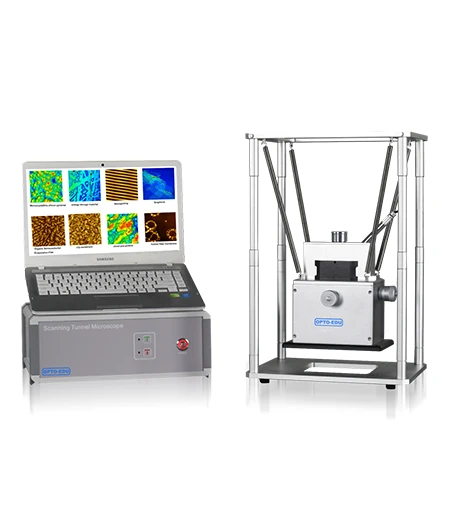
A teaching-designated AFM with tapping mode, a 4x optical objective and a separate controller/main-body layout.
View A62.45004 MODELS / OPTOEDU
Explore four OPTOEDU atomic force microscope listings: A62.4500, A62.4501, A62.4503, and A62.4505. Use their model pages to review the described operating modes, optical viewing, positioning, and system layout. Match those details to your specimen and workspace requirements.
4 models shown.
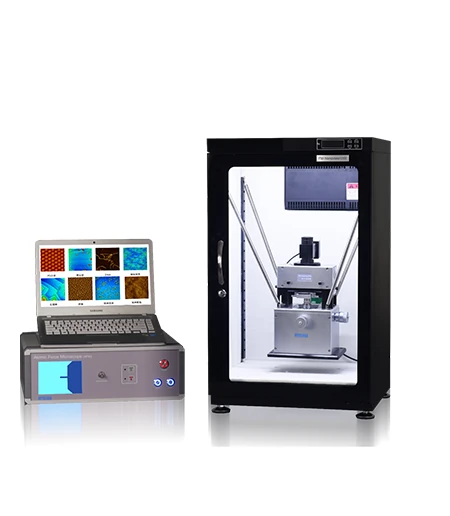
A62.4500
A teaching-designated AFM with tapping mode, a 4x optical objective and a separate controller/main-body layout.
View A62.4500A62.4501
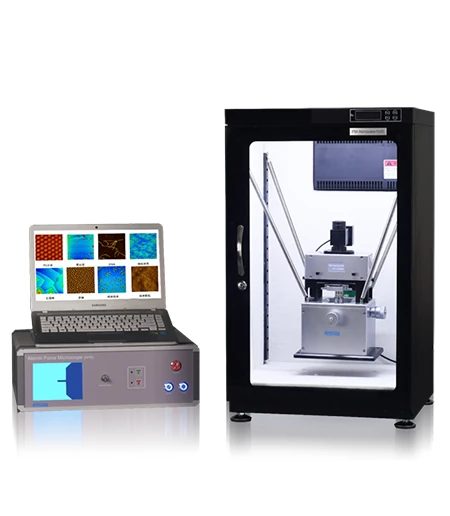
A basic-level AFM listing with contact and tapping modes, a 20×20µm XY scan range and optional additional modes.
View A62.4501A62.4503
A research-designated AFM listing with probe positioning, scanner selection and an enclosure arrangement described.
View A62.4503A62.4505
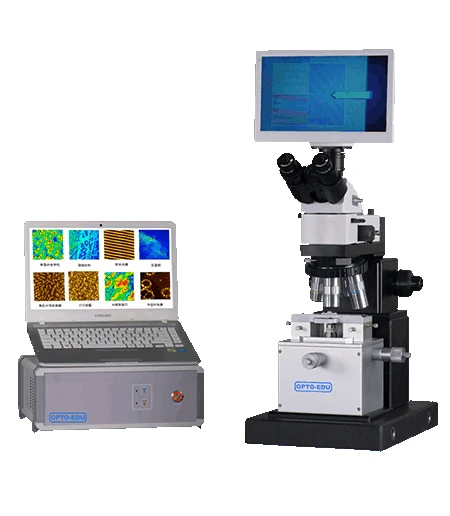
An integrated optical metallographic microscope and AFM listing with optical controls and a sample-liquid-cell arrangement described.
View A62.4505Try another model number or equipment type.
Include the sample material, dimensions, mounting method, and the features you need to examine. Ask which operating modes and probe arrangements the proposed system supports. A catalogue tier label does not replace a component-level specification.
Review the optical viewing and positioning arrangement when you prepare a quotation request. Ask how the operator accesses the sample and which controls are supplied. If you need a particular probe or analysis output, identify it before comparing configurations.
Describe the intended installation location and ask what environmental provisions are required for the selected system. Published illustrations can help explain the layout, but they do not establish measurement performance on your specimen. Discuss any acceptance method and test sample separately with OPTOEDU.
Use the model number and written configuration as the basis for your inquiry. Ask about operating modes, sample access, viewing, and required components rather than assuming performance from a tier label.
Describe material, size, mounting, and the surface features you need to examine. Include any operating-mode, probe, output, or installation requirements that affect the proposed system.
Send OPTOEDU the model number, requirements, quantity, and destination. Ask for a component list and current commercial terms for that configuration. You can also ask for help before choosing a model.
Name the model or describe the task, sample, and imaging requirements. Ask for the proposed equipment and optional components in writing.