M20.5830
Motorized Industrial Microscope
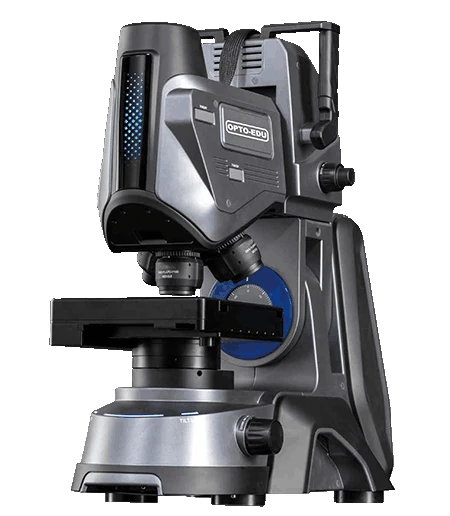
Industrial microscope with motorized zoom, a tilting stand and manual 360° working-stage rotation. Image-processing functions include depth-of-field imaging and 3D reconstruction.
View M20.58303 MODELS / OPTOEDU
Explore the OPTOEDU M20 industrial microscope listings. M20.5830, M20.0910, and M20.3820 describe different combinations of viewing, movement, imaging, and measurement features. Review each model against the part and observation task you need to support.
3 models shown.
M20.5830
Industrial microscope with motorized zoom, a tilting stand and manual 360° working-stage rotation. Image-processing functions include depth-of-field imaging and 3D reconstruction.
View M20.5830M20.0910
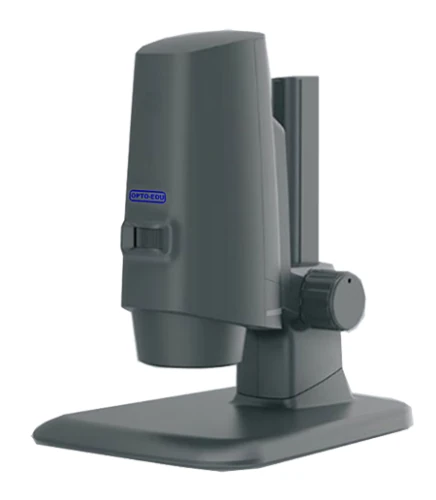
3D measurement microscope with telecentric continuous zoom, motorized magnification switching and image-processing software. Confirm the optics, illumination and measurement configuration.
View M20.0910M20.3820
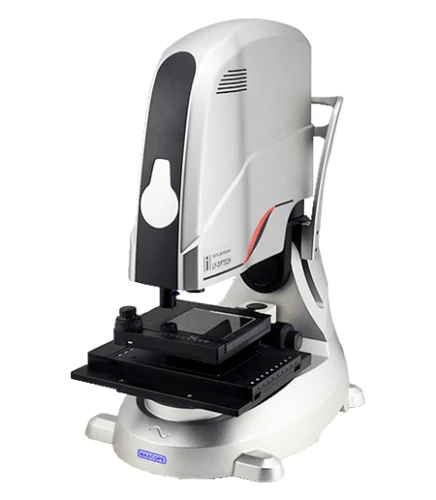
Digital microscope arrangement with a color camera, motorized Z-axis stage and image-analysis software. Listed functions include extended depth of field, autofocus and 2D measurement.
View M20.3820Try another model number or equipment type.
Include part dimensions, material, surface finish, and the features you need to inspect. Describe whether access, positioning, or recording is the main constraint. These details help define what to ask about in the optical and stage configuration.
Check the specific movement controls in the written description. Motorized XYZ adjustment, manual rotation, and stand tilt are different functions; the presence of one does not establish the others. Ask how the proposed setup positions and holds your part.
For a measurement inquiry, define the output and acceptance method you need. Ask which calibration provisions, software, and accessories are included. A measurement feature named in a listing does not establish verified accuracy on an untested part. Compare the full proposed configurations before requesting commercial terms.
Check each control separately on the selected model. Stage translation, rotation, focus, and stand adjustment may have different operating arrangements; ask for the written control specification.
Provide the part, dimensions, features, required outputs, and acceptance method. Ask OPTOEDU to identify the proposed optics, positioning, software, and calibration provisions for that requirement.
Send OPTOEDU the model number, requirements, quantity, and destination. Ask for a component list and current commercial terms for that configuration. You can also ask for help before choosing a model.
Name the model or describe the task, sample, and imaging requirements. Ask for the proposed equipment and optional components in writing.