A16.1095
Upright Motorized Fluorescence Microscope
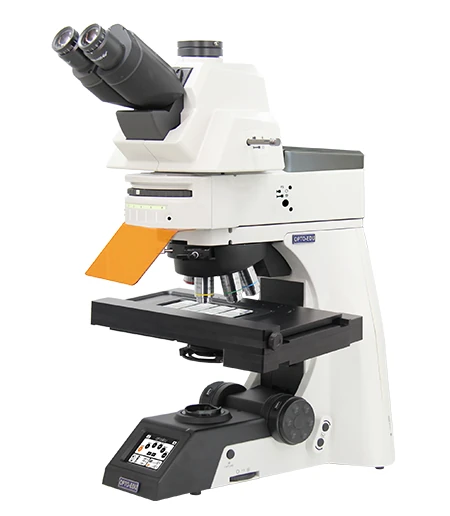
Upright fluorescence microscope with a motorized stage, automatic nosepiece and epi-fluorescence illumination. Confirm the selected lighting and objectives.
View A16.10952 MODELS / OPTOEDU
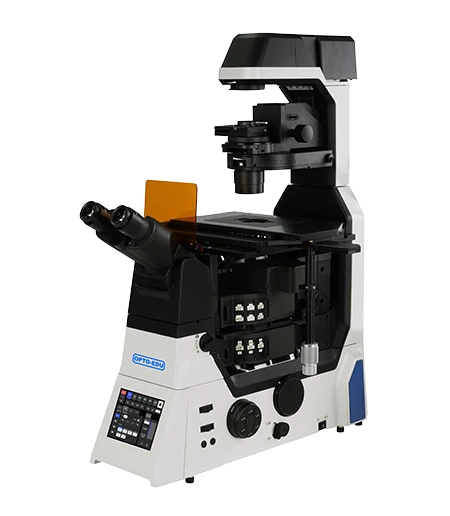
Compare the OPTOEDU A16.1095 upright fluorescence microscope and A16.1099 inverted fluorescence microscope. Start with specimen access and observation geometry, then review the optics, illumination, movement, and control arrangement described for the selected model.
2 models shown.
A16.1095
Upright fluorescence microscope with a motorized stage, automatic nosepiece and epi-fluorescence illumination. Confirm the selected lighting and objectives.
View A16.1095A16.1099
Inverted motorized fluorescence microscope with a 5.7-inch touch screen and semi-APO phase-contrast objectives. Confirm the selected observation modes.
View A16.1099Try another model number or equipment type.
Describe the specimen preparation and the way it is held or presented for viewing. State whether you need an upright or inverted arrangement, or ask OPTOEDU to discuss that choice against the task. Include vessel or slide details when they affect access.
List the observation modes your work needs. Ask for the objectives, illumination components, filters, stage controls, camera, and software in the offered configuration. Shared wording across product descriptions should not be treated as a guarantee that all configurations are identical.
For automated work, identify which adjustments or image-recording steps you want to control. Discuss the specific supplied hardware and software, along with any existing equipment you hope to use. Compatibility and optional functions need written confirmation for the selected system.
The directory lists A16.1095 in an upright arrangement and A16.1099 in an inverted arrangement. Their individual pages keep the configurations separate.
Provide the equipment details and your required image outputs. Ask for a compatibility review and the supplied connection and software configuration rather than assuming integration from a product name.
Send OPTOEDU the model number, requirements, quantity, and destination. Ask for a component list and current commercial terms for that configuration. You can also ask for help before choosing a model.
Name the model or describe the task, sample, and imaging requirements. Ask for the proposed equipment and optional components in writing.