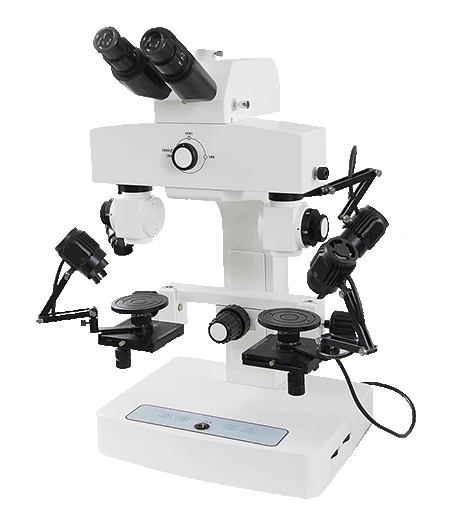
Review the objective steps and observation setup
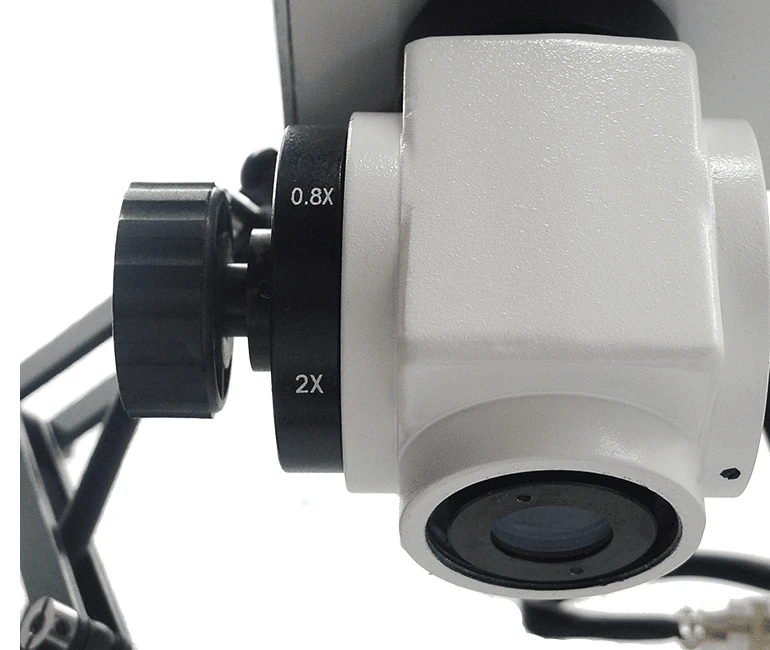
The magnification-switch description lists a five-step plan-objective arrangement. Ask which eyepieces and other optical components are supplied and which combinations meet your required view. Include both the smallest feature and the overall object area you need to see.
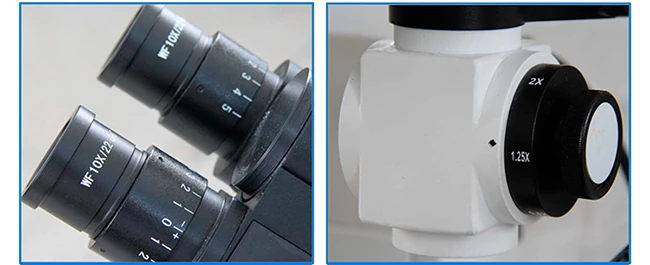
The binocular-head description lists WF10x/22mm high-eyepoint eyepieces and adjustable diopters on both tubes. If the microscope will be shared, explain the operator arrangement and ask how the viewing setup is adjusted between users.
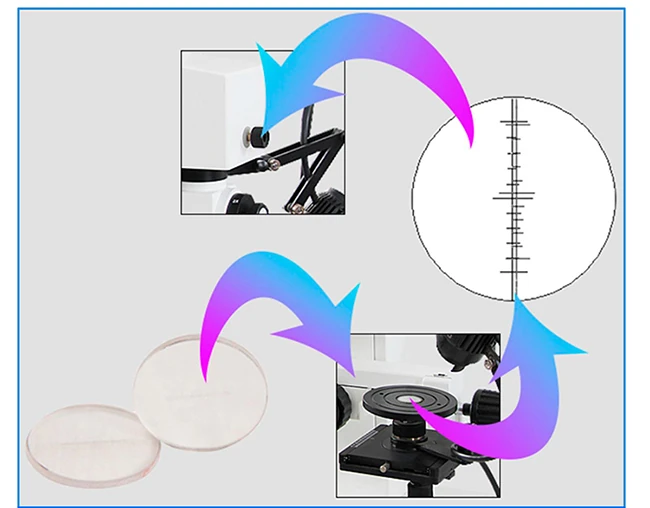
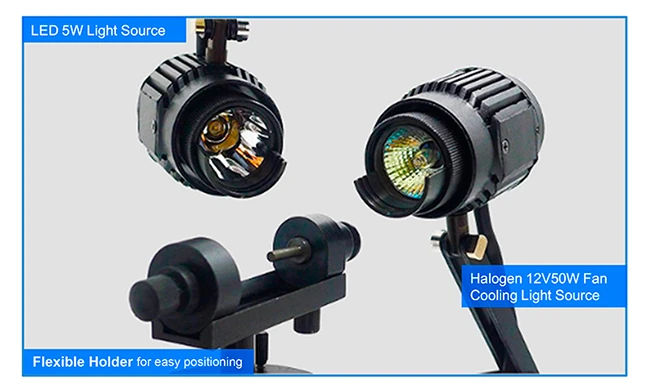
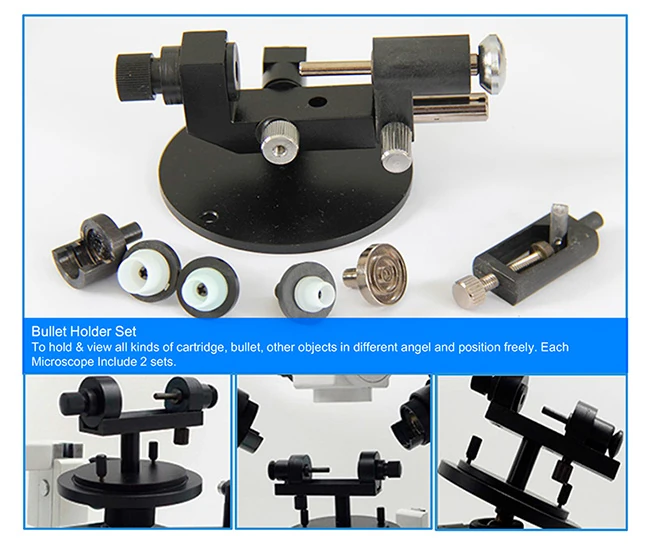
The page describes magnification correction with correcting lenses and shows a flexible holder for positioning. A separate holder set is listed for holding objects at different angles. Specify how your samples can be supported and what movement is needed during observation so the accessory discussion stays practical.
Published model information
| Item | Published information |
|---|---|
| Model | A18.1825 |
| Directory magnification designation | 3.2x–192x |
| Objective steps | 0.8x, 1.25x, 2x, 3.2x, 4.8x |
| Eyepieces | WF10x/22mm, high eyepoint |
| Eyepiece-tube diopters | Both adjustable, ±5 |
| Correction arrangement | Magnification correction system with correcting lenses |
| Positioning | Flexible holder and holder set described |
Request the complete optical combination and working-distance information for the configuration being quoted.
Prepare for observation or teaching
The model page introduces the instrument in a teaching and training context. If that is your intended use, describe the number of people who need to observe at the same time and whether the image needs to be shared on a screen. Ask for any camera, display, or software items separately rather than assuming they are part of the binocular model.
For the object setup, provide the dimensions, shape, and features to be compared. Ask which holder fits the object and how it can be positioned within the available working space. If lighting is important to the demonstration, specify the arrangements you need and request the offered light-source details.
Keep the microscope optics, lighting, holders, and digital accessories as separate lines in the quotation. State your quantity and destination. This gives you a configuration that can be checked against the intended use before comparing the commercial terms.
Review the LCD configuration
See the A18 equipment directory for the available model pages. The A18.1825-LCD listing includes a separately described screen arrangement and magnification range. Compare the actual optical components and digital items in the written offers.
A18.1825 questions
Which objective steps are published?
The source lists 0.8x, 1.25x, 2x, 3.2x, and 4.8x plan-objective steps. Ask for the supplied eyepieces and optical combinations alongside these values, as well as working distance and field of view.
Is a display included with this listing?
The reviewed A18.1825 description centers on binocular observation and positioning components. If a display is needed for a class or shared view, ask for the camera, display, connection, and software items in the quotation.
What information helps select the holders?
Provide the dimensions and shape of the objects, how they may be supported, and which surfaces need to remain visible. Ask which parts of the published holder set are supplied and how they fit the proposed observation arrangement.
Request the current A18.1825 configuration
Send the model number, application requirements, and the components you need to include. Ask OPTOEDU for a configuration quote.
Reference: published A18.1825 product description.